

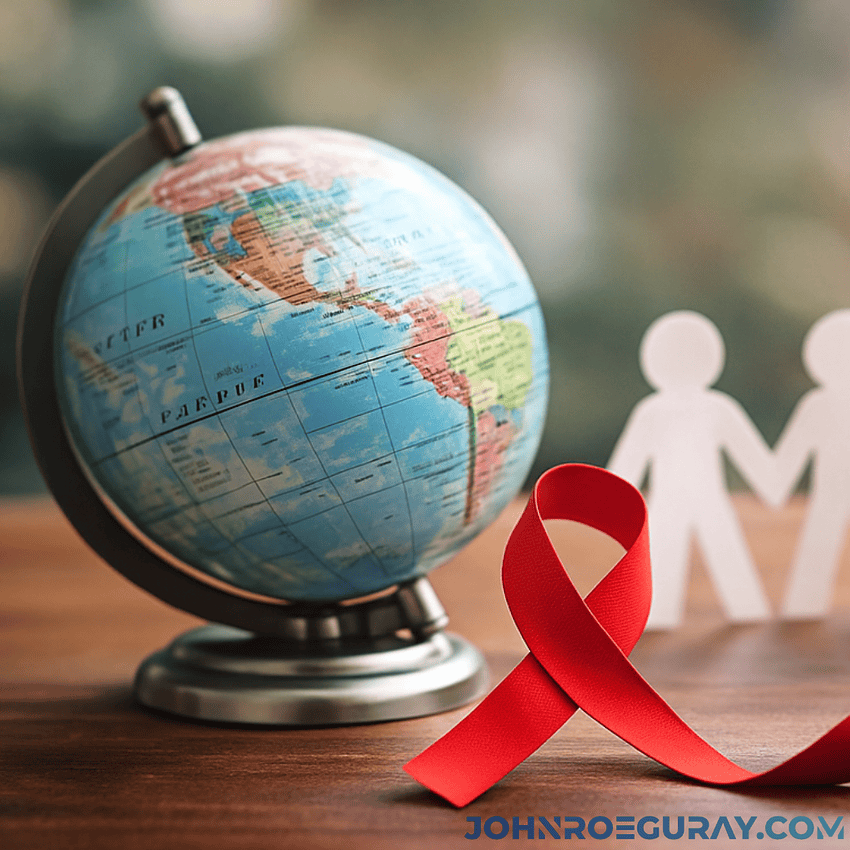
Each year on December 1, the world comes together to observe World AIDS Day — a moment to reflect, remember, and recommit to ending the HIV/AIDS epidemic. Established in 1988, this day has long stood as a beacon of hope and a reminder of the ongoing fight against a virus that has taken millions of lives and continues to disproportionately affect vulnerable communities.
But as we look around the globe in 2025, the significance of World AIDS Day takes on even greater urgency. In an era marked by rising nationalism, shrinking civic spaces, and increasing socio-political conservatism, the very people who are most at risk are also those facing renewed marginalization.
The Threat of Political Regression
The last decade has seen a shift in the global political landscape, with many governments pivoting toward right-leaning ideologies. This shift has had cascading effects on health policies, particularly those concerning sexual health and rights. In some regions, public health funding has been slashed. In others, protections for LGBTQ+ communities, historically among the most affected by HIV, are being rolled back.
These regressive policies not only hinder access to testing, treatment, and education but also fuel stigma, one of the most persistent barriers in the fight against HIV/AIDS. World AIDS Day in 2025 is not just about remembering the past. It is about protecting hard-won progress in the face of growing political headwinds.
The Epidemic Isn’t Over
According to UNAIDS, over 38 million people globally were living with HIV by the end of 2024. While access to antiretroviral therapy (ART) has expanded and initiatives like U=U (Undetectable = Untransmittable) have changed the narrative on transmission, the battle is far from won.
People in low- and middle-income countries, particularly in sub-Saharan Africa and parts of Asia, still face massive obstacles to accessing lifesaving treatment. Meanwhile, in wealthier nations, complacency is growing, and young people are not being adequately educated about the risks and realities of HIV.
Standing Up for Equity, Science, and Solidarity
In a time of misinformation and populist narratives, World AIDS Day reminds us to return to the truth: science works, treatment saves lives, and stigma kills. Now more than ever, we need to double down on community-driven efforts, education, policy advocacy, and inclusive healthcare.
Organizations around the world are leading grassroots movements that empower those most affected, particularly women, sex workers, the LGBTQ+ community, and people who use drugs, to take control of their health and their future.
A Call to Remember, Resist, and Recommit
On this World AIDS Day 2025, let us do more than wear a red ribbon.
Let us:
- Speak up against stigma and discrimination.
- Support organizations fighting for equitable access to HIV prevention and care.
- Vote for leaders and policies that uphold human rights and public health.
- Educate ourselves and the next generation about the truths of HIV and AIDS.
The fight against HIV/AIDS is far from over, but it is winnable. And it begins with us — our voices, our votes, and our values.